


Leadership: Art & Science

Contact

About

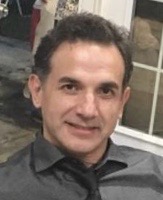
Osvaldo holds a bachelor’s degree in Business Administration, a Post-Graduate degree in Finance and a MBA in Business. His more recent graduation was in Business from York University in Toronto, Canada. He also is a Ph.D candidate in leadership with a focus on Emotional Intelligence at Andrews University, Michigan, USA.

Know more

Business

Osvaldo has acquired experiences in business since his early years. In Brazil he was the Vice-President for Citibank and CEO for Montalve dealership. Living in North America for the last 15 years….. Read more

Music

Music is one of the Osvaldo’s passion in life. Accomplished pianist, started his piano practices when he was six years old and has never stopped. In Brazil he played for a variety of audiences. Living in North America for the last 15 years….. Read more 

Religious

Osvaldo has also a profound experience as church leader. Leader by nature, he has worked as Assistant pastor, music ministry, group and choir director for many churches in Unites States and Canada. He has also directed, produced and played in many musicals…. Read more

Join one of our courses and start building your skills on music. We make sure every class is easily understood, and that all students reach the level of knowledge they need. 

Osvaldo Jr., Music Director & Teacher

The School that Plays your Feelings - Learn from the very best​

Our Teaching Team

IMG_0327

Osvaldo Junior

A music pianist that has been involved with music since his 6 years old. He teaches you on how to accomplish your music goals. Classic Piano, Piano by Chords, Vocal Technique, Children's music, and special needs.

Thiago Henrique

Drum and guitar teacher with lots of experience in teaching different ages and skills levels from beginners to intermediate.
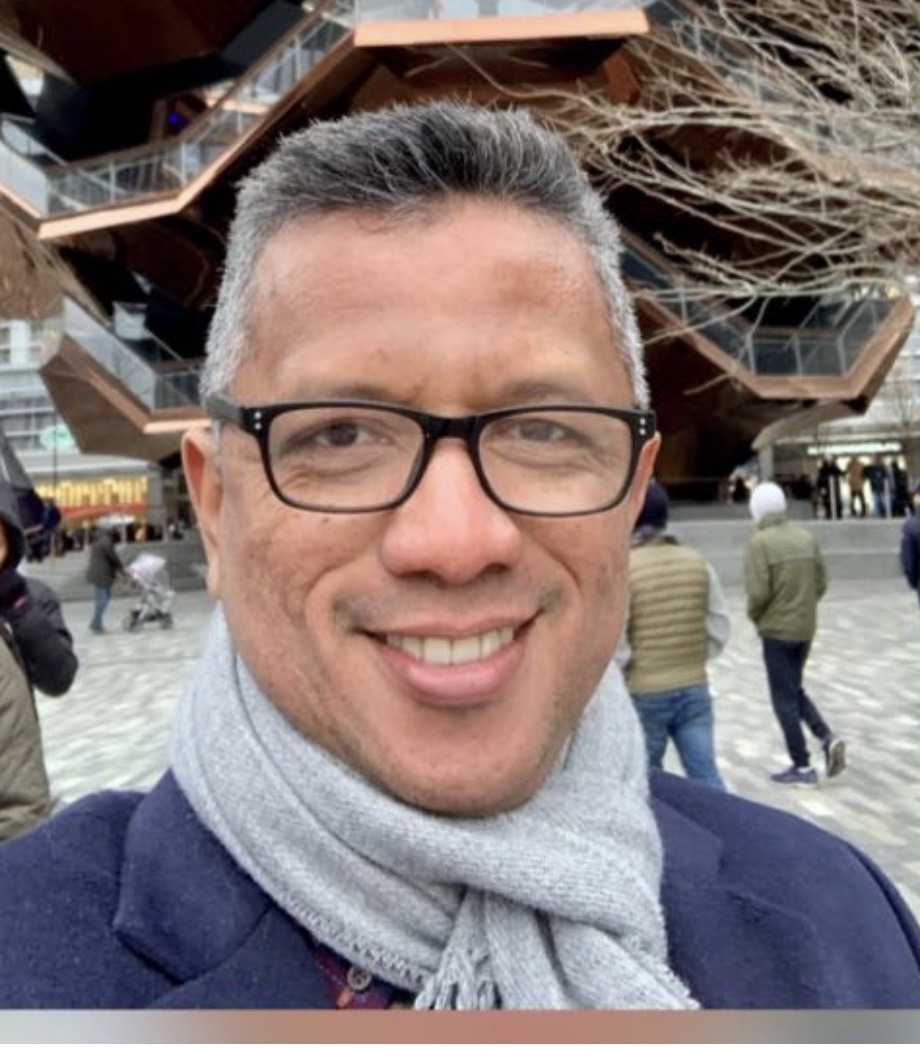
Marcio Santos

Musician passionate for teaching and entertaining with the students. Teaches piano, guitar and vocal technique

What our students say

Academics

THE LEADERSHIP PROGRAM

On the campus of Andrews University, the Leadership program is housed in the School of Education. Because the Leadership program was developed to meet the needs of contemporary professionals, it emphasizes competencies instead of courses. Leadership is job-embedded and work-related. The Leadership program’s design embeds practice in theoretical knowledge bases. The program is field-based, flexible, and designed to provide a learning community for leaders who want to earn a graduate degree while continuing their employment. Although some specific courses are required, Leadership gives self-directed, self-motivated individuals a way to take charge of their own education while incorporating professional experience.

Competencies

Section 1: Leadership and the self

This cluster of competencies focuses on the self-awareness and the personal and professional identity required when practicing leadership. a. Philosophical foundations; b. Ethics, values, and spirituality; and c. Learning and human development.

Section 2: Leadership with others

This cluster of competencies focuses on the interpersonal aspects of leadership. Growth and development of others is an essential function of leadership. a. Effective communication; b. Mentor/coach; and c. Social responsibility.

Section 3: Leaderhip through Organizations

Leadership through organizations: This cluster of competencies focuses on the organizational aspects of leadership. Leadership sets direction in ways that facilitate achievement of organizational goals. a. Resource development; human and financial; b. Legal and policy issues; c. Organizational behavior, development, and culture; d. Implementing change; and e. Evaluation and assessment

Section 4: Leaderhip and Research

This cluster of competencies focuses on the need to use data to communicate, persuade, and make decisions, and to contribute to the knowledge base for leadership. Competence in research needs to include both qualitative and quantitative methods. Research skills are often necessary while engaging in organizational development, assessment and evaluation, and other leadership projects. a. Reading and evaluating research; b. Conducting research; and c. Reporting and implementing research.

Section 5: Individually chosen option

Additional options may be chosen